Where to Find the Best Seafood in Hong Kong
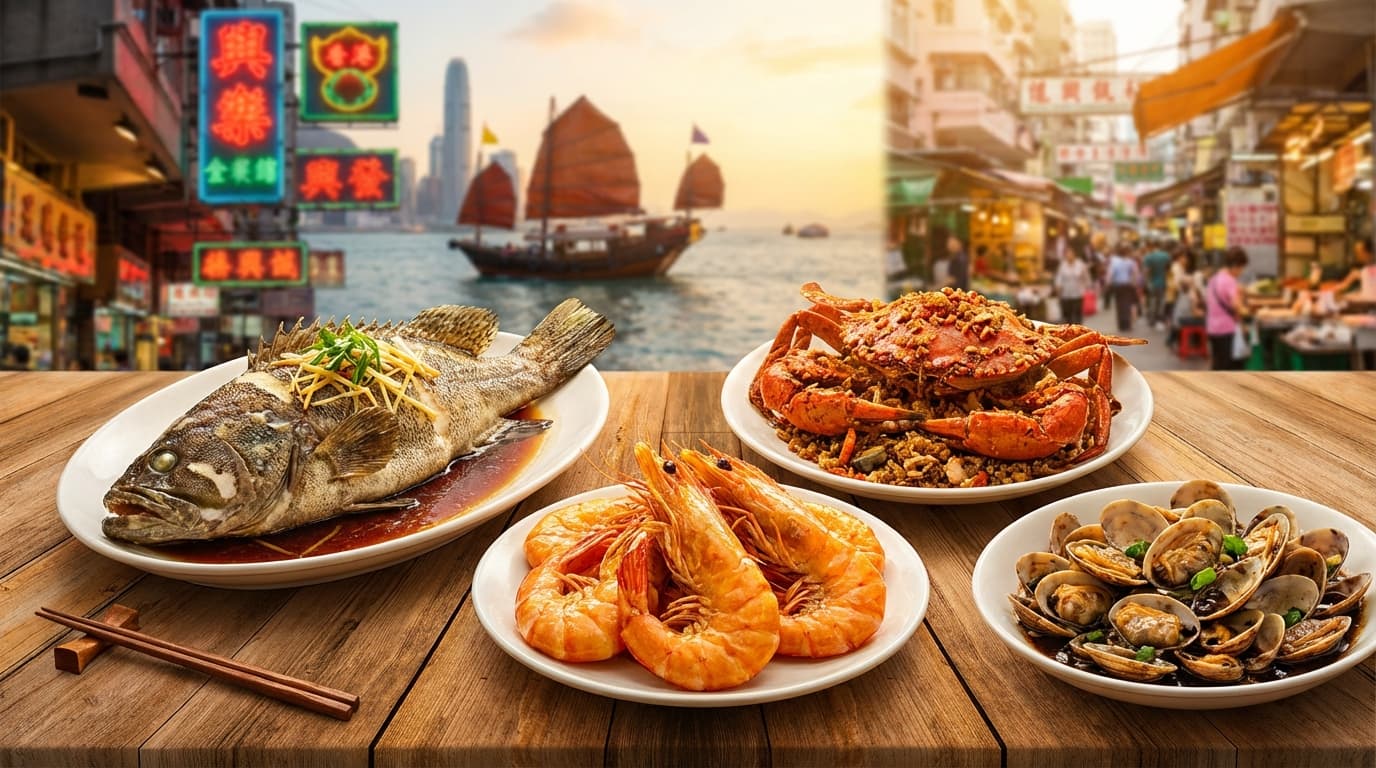
Hong Kong and the ocean are inextricably linked. Before the towering skyscrapers of Central redefined the skyline and transformed the area into a global financial powerhouse, this archipelago of over two hundred islands was a sprawling network of quiet, hardworking fishing villages. Today, that deep maritime heritage pulses vividly through the city’s veins, especially when you sit down to eat. There is an electric energy that takes over when the sun dips below Victoria Harbour and the glowing tanks of live seafood light up the humid evening air outside busy local eateries.
From the humble open-air dai pai dongs searing spotted grouper in blazing, well-seasoned woks to the velvet-draped dining rooms where abalone is handled with the reverence of a crown jewel, this city respects the ocean’s bounty like nowhere else on earth. Forget the tired clichés of simple white tablecloths and obligatory lemon wedges; here, eating from the sea is an all-consuming event. It is about the unmistakable, sharp scent of ginger and scallion hitting smoking hot oil, the hypnotic swirl of steam rising from a bamboo basket, and the obsessive local demand for absolute, swimmingly fresh perfection. If you want to understand the true soul of Hong Kong, you have to look to the water.
Lung King Heen
When we talk about the absolute pinnacle of Cantonese fine dining, all roads inevitably lead to the fourth floor of the Four Seasons Hotel Hong Kong on Finance Street. Earning an impressive 4.5 rating from nearly a thousand ecstatic reviewers, Lung King Heen is a temple of gastronomy that commands respect. Walking into the dining room, you are immediately greeted by sweeping, panoramic views of the harbor, setting a dramatic stage for the meal. But it is the masterful, delicate treatment of the day's fresh catch that truly steals your attention from the skyline. This is where traditional technique meets uncompromising ingredient sourcing. Whether it is their legendary baked whole abalone puff with diced pork—a pastry so impossibly flaky it practically shatters on contact—or a flawlessly steamed star grouper that flakes apart at the mere suggestion of a chopstick, every dish is executed with pinpoint precision. The kitchen understands that the highest compliment you can pay to premium seafood is to let it speak for itself. The sauces here never mask; they elevate. A light touch of premium soy sauce, a whisper of spring onion, and the natural sweetness of the ocean rushes forward. It is an unforgettable celebration of Cantonese coastal heritage.
While the city’s luxury hotels house some of the most refined dining rooms in the world, your exploration should not stop at the lobby doors. To truly grasp the breadth of Hong Kong's affinity for the ocean, you need to hit the streets. Head out to the New Territories or the outlying islands. Picture yourself walking down the bustling promenades of Sai Kung, where massive, multi-tiered tanks spill over with mantis shrimp the size of your forearm, razor clams, and vibrant lobsters. You point to what looks good, and minutes later, it arrives at your table, wok-tossed with an aggressive, beautiful amount of garlic and chili. Then there is the iconic typhoon shelter crab, a dish born out of necessity by the city's historic boat-dwelling populations. Buried under a mountain of deep-fried garlic, scallions, and black beans, the sweet crab meat requires a bit of effort to extract, but the reward is immense. It is messy, loud, and incredibly fun—the exact opposite of a hushed luxury dining room, yet equally vital to the local food culture.
Diving into this city’s vibrant food scene requires a bit of strategy. First, timing is everything. The cooler months between October and February are widely considered the best time to visit, not only because the suffocating humidity breaks, but because many local species are at their absolute peak of fat and flavor during the winter. Furthermore, avoiding the peak typhoon season in late summer ensures that the local fishing fleets are actively bringing in their daily hauls without weather interruptions.
When it comes to securing a table, especially at high-end establishments like Lung King Heen, you need to be proactive. Reservations should be made months in advance; spontaneity rarely pays off when trying to access the city’s top dining rooms. For neighborhood joints or island piers, arriving just before the 7:00 PM dinner rush will usually save you from lingering in a massive queue.
Price-wise, expect a massive spectrum. A casual feast at a harbor-side market might set you back around 300 to 500 HKD per person, while fine dining temples will easily run into the thousands. Always ask for the price per tael (a traditional Chinese unit of weight, roughly 37.8 grams) when ordering live seafood from tanks to avoid any end-of-meal surprises. A seemingly affordable per-unit price can add up quickly with a hefty crab.
Hong Kong’s connection to the sea is deep, delicious, and waiting to be explored. So, step away from the familiar, point to something in a bubbling tank that you have never tried before, and let the city’s incredible chefs show you what the ocean really has to offer. Your table is waiting.