Where to Find the Best Italian in Hong Kong
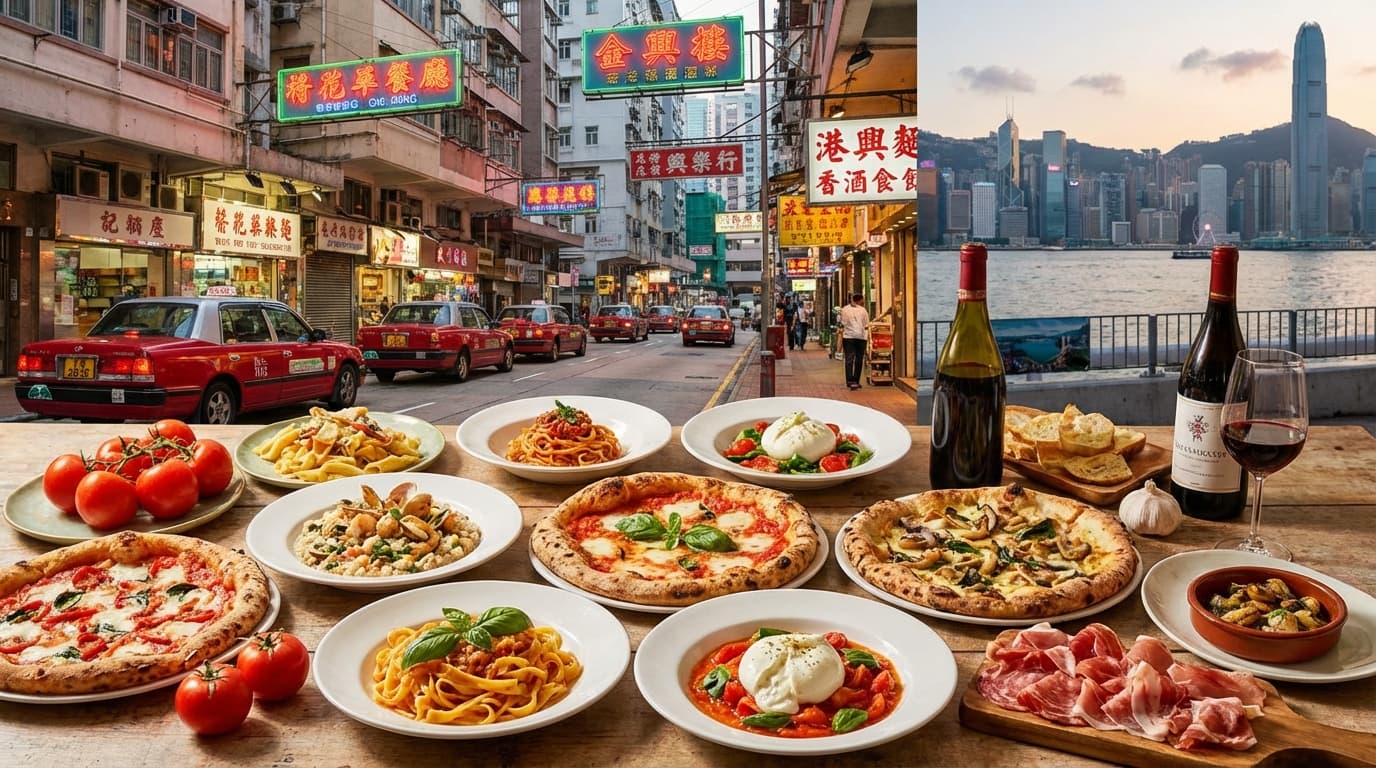
When you think of Hong Kong’s food landscape, your mind probably gravitates toward bamboo steamers of har gow or the intense, wok-hei magic of a buzzing dai pai dong. But hiding in plain sight—often tucked along steep Soho gradients or quietly holding court in leafy neighborhood alleyways—is an Italian food scene that punches well above its weight.
Over the last few years, the city has firmly traded stiff, white-tablecloth hotel dining for something infinitely more soulful. We’re talking flour-dusted countertops, daily hand-rolled pasta, and the kind of bustling, elbow-to-elbow neighborhood joints you’d expect to stumble upon in Trastevere rather than the subtropics of Asia. Let me show you exactly where to go when those carb cravings hit.
Pici Central
If there is an undisputed king of accessible, phenomenal pasta in Hong Kong, it is Pici. The Central outpost on Aberdeen Street is an absolute powerhouse, boasting nearly 10,000 glowing reviews from locals and expats alike. What makes it so special? The energy here is infectious. You walk in to the sound of clinking glasses, the scent of simmering ragu, and the sight of chefs dusting fresh ribbons of pappardelle right by the window. The truffle tagliolini is non-negotiable—earthy, rich, and perfectly al dente. Because it sits right in the heart of Soho, it’s the ultimate starting point for a Friday night out.
The Pizza Project
Just a quick walk away on Peel Street, you’ll find The Pizza Project. Brought to us by the same brilliant minds behind Pici, this spot does for pizza what its sister restaurant does for pasta: removes the fuss and focuses obsessively on quality. The space is unapologetically laid-back, fitting seamlessly into Peel Street’s vibrant, stoop-hanging culture. The crust here hits that elusive sweet spot—blistered and beautifully charred on the edges, yet soft and chewy in the center. Grab a seat, order the Carbonara pizza (trust me, it works brilliantly), and watch the neighborhood crowds spill past the open facade.
Pici
If you want to experience the true origins of this local pasta empire, you have to head to St. Francis Yard in Wan Chai. Tucked away from the neon glow and frantic traffic of Johnston Road, this original outpost feels like a genuine neighborhood secret. The dining room is intimate, warm, and distinctly European in its charm. I always tell visiting friends to come here for a slightly more romantic, slower-paced evening. There is something incredibly comforting about tearing off a piece of fresh burrata and swirling their signature orecchiette with Italian sausage while tucked into this quiet enclave.
Pici
Not to be outdone by the Island side, Kowloon boasts its own excellent representation on Hart Avenue. Tsim Sha Tsui can be overwhelming with its dense shopping arcades and endless foot traffic, making this location the perfect refuge after a long day of exploring the nearby museums or walking the Victoria Harbour promenade. It carries the exact same DNA as its sister locations—unpretentious service, reliable quality, and those trademark deep pasta bowls—but it offers a fantastic excuse to cross the harbor and enjoy the vibrant nightscape of TST with a proper plate of cacio e pepe in front of you.
How to Do It Right: Tips from a Local
Let’s talk logistics. The single most important thing to know about this new wave of Hong Kong Italian joints is that they are fiercely dedicated to walk-in culture. You won't find a reservations book here. If you want to avoid a wait, timing is everything. Aim for an early dinner around 5:45 PM, or lean into the European lifestyle and show up past 8:30 PM. If you do get caught in the peak dinner rush, don't stress. Just leave your name at the door; in neighborhoods like Soho or Wan Chai, you are never more than twenty steps away from a great spot to grab a spritz and pass the time.
As for the bill, you’ll be pleasantly surprised. Hong Kong is famous for sky-high dining prices, but these spots have mastered everyday affordability without compromising on imported ingredients or technique. Expect to spend around $250 to $350 HKD per person for a generous feast of starters to share, a hearty main, and a glass of house wine.
So, next time you find yourself wandering the sloping streets of Hong Kong Island or navigating the electric grid of Kowloon, follow the scent of garlic and toasted semolina. Take a break from the dim sum for an evening, claim a stool at a bustling pasta bar, and get ready to dig in. If you hit up any of these spots, drop me a message—I'm always looking for an excuse to talk about a perfectly executed tiramisu!