Where to Find the Best Chinese in Seoul
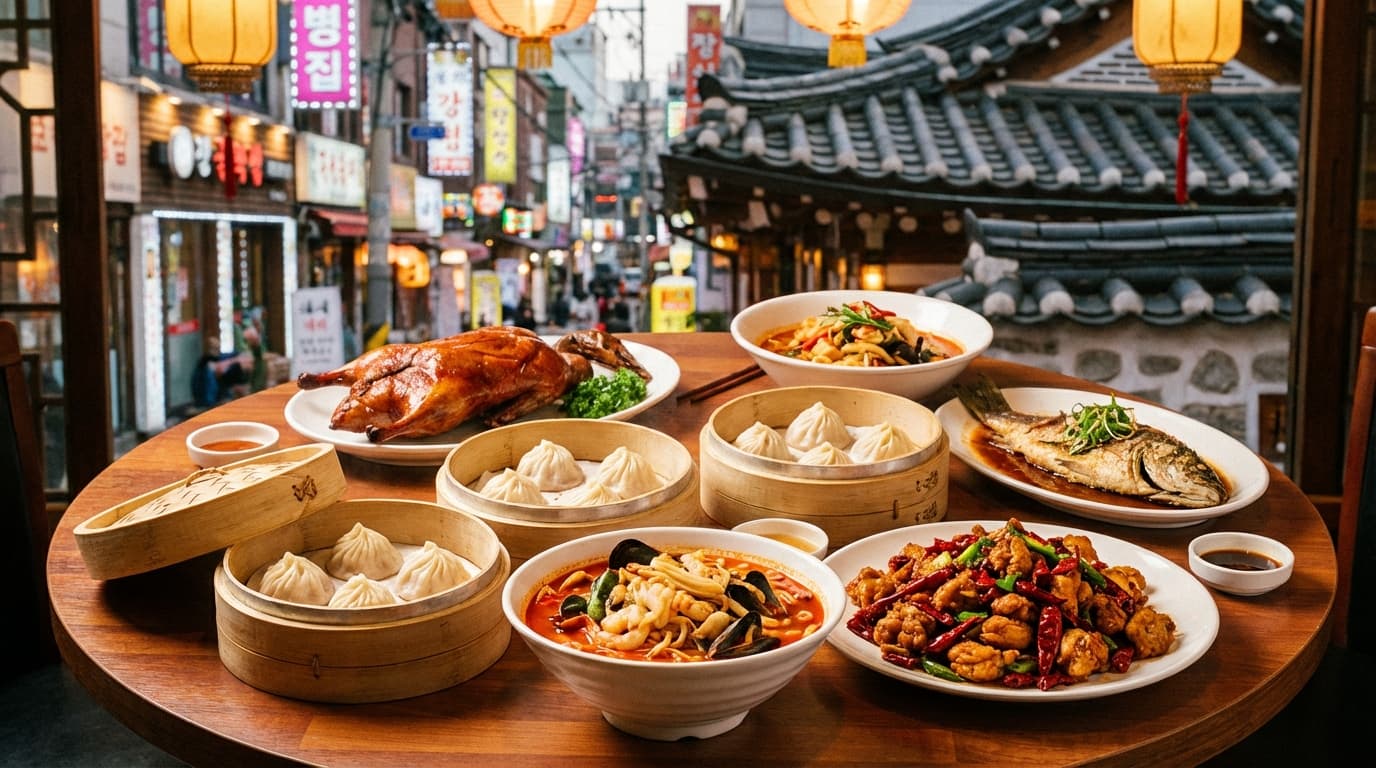
When you think of eating in Seoul, your mind probably jumps straight to bubbling stews, tabletop barbecue, or crispy fried chicken. But if you skip the city's Chinese food scene, you are missing out on an essential piece of modern Korean food culture. Korean-Chinese cuisine—known locally as Junghwa Yori—has evolved into something entirely unique. What started over a century ago in the port city of Incheon has morphed into a national obsession, transforming familiar Chinese techniques with distinctly Korean sensibilities.
Today, the local Chinese food landscape is splitting into two fascinating directions. On one side, you have the beloved, gritty neighborhood spots firing up wok-charred jjamppong (spicy seafood noodle soup). On the other, a wave of sophisticated, incredibly hyped restaurants is elevating these comfort classics with premium ingredients like black truffle, massive cuts of steak, and hyper-crispy shrimp toasts. If you want to experience the absolute peak of this high-end Korean-Chinese renaissance, there is one name dominating group chats and reservation apps across the city: MUTAN.
MUTAN Apgujeong Main Branch
Tucked away in the affluent, style-obsessed streets of Gangnam District, the Apgujeong flagship of MUTAN is nothing short of an institution. Boasting a stellar 4.8 rating from nearly 4,500 reviews, this spot single-handedly redefined what a bowl of black bean noodles could be. You are coming here for their legendary Truffle Steak Jajangmyeon. Imagine thick, chewy noodles coated in an impossibly rich, savory black bean sauce, topped with a fried egg, shaved truffles, and colossal cubes of perfectly seared beef. It is unapologetic, heavy, and completely addictive. Pair it with their famous "macaron mianbosha"—massive, deeply fried spheres of sweet minced shrimp packed between thin croutons. The atmosphere is bustling and modern, making it the perfect kickoff for a night out in Seoul’s trendiest neighborhood.
Mutan Gwanghwamun Branch (restaurant)
If your Seoul itinerary involves exploring the grand Gyeongbokgung Palace or strolling along the Cheonggyecheon stream, the Gwanghwamun outpost in Jongno District is exactly where you want to end up. Located conveniently on the basement level (지하 1층) of a modern office complex, this branch carries a nearly flawless 4.9 rating across more than 3,000 reviews. What I love about this location is how it captures the contrasting energy of downtown Seoul. You will find tourists taking a break from sightseeing rubbing shoulders with business executives closing deals over plates of sweet and sour pork (tangsuyuk). The kitchen here operates with the same exacting precision as the Gangnam flagship, delivering that flawless wok hei (breath of the wok) in their garlic fried rice. Because it is surrounded by corporate headquarters, the service is remarkably sharp, ensuring you are well taken care of whether you are in a rush or lingering over a cold Tsingtao.
Practical Tips for Your Visit
Navigating Seoul's upscale Chinese dining scene requires a little bit of tactical planning. Here is what you need to know before you go:
Best Time to Visit
Both of these locations draw serious crowds. For the Apgujeong branch, weekends are notoriously busy, so aim for a weekday lunch right when they open at 11:30 AM, or go for a late dinner after 8:00 PM. The Gwanghwamun branch gets absolutely swamped during the 12:00 PM corporate lunch rush; visiting around 1:30 PM or for a weekend dinner will yield a much more relaxed experience.
Reservations
Walk-ins are possible, but you will almost certainly end up waiting. Do yourself a favor and download the CatchTable app, which is essentially the gold standard for restaurant reservations in South Korea. If you cannot book ahead, both restaurants use digital queuing kiosks at the front door—just punch in your phone number or email, grab an iced Americano at a nearby cafe, and wait for your notification.
Price Expectations
Be prepared to spend a bit more than you would at a standard neighborhood noodle joint. Because of the heavy reliance on premium ingredients like black truffle and thick cuts of beef, expect to spend anywhere from 30,000 to 50,000 KRW (roughly $22 to $37 USD) per person, depending on how many appetizers you order.
Ready to Eat?
Seoul is a city that rewards the hungry and the curious. Korean-Chinese cuisine offers a completely different perspective on the local food culture, proving that comfort food can be both deeply nostalgic and wildly luxurious. Grab a group of friends, order aggressively so you can share multiple plates, and dive in. Once you've wiped your bowls clean, leave a comment and let me know which dish ended up being your favorite—I am willing to bet that macaron mianbosha will live in your head rent-free for months.