Where to Find the Best Italian in Rome
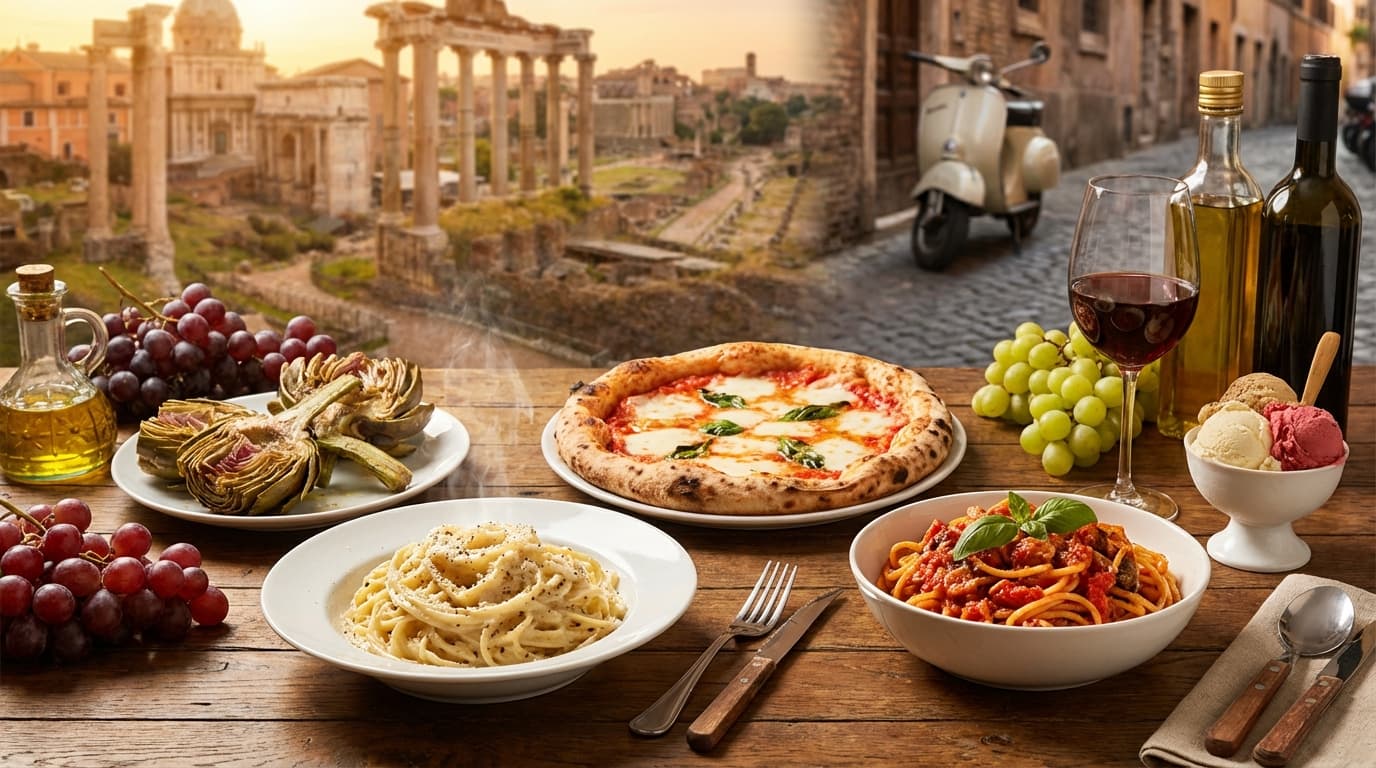
I’ve spent countless evenings wandering the cobblestone alleys of Rome, usually following the intoxicating scent of toasted black pepper and sizzling guanciale. There is a specific, beautifully chaotic rhythm to dining in the Eternal City. It’s loud, it’s vibrant, and it fiercely protects its traditions. True Roman food isn’t found in polished, white-tablecloth establishments; it thrives in the crowded, boisterous trattorias where the pasta water is starchier than glue and the house wine flows freely from unlabeled glass jugs.
If you want to eat well here, you have to understand the four pillars of Roman pasta: gricia, cacio e pepe, amatriciana, and carbonara. They share a tight-knit family tree of core ingredients—pecorino romano, guanciale, black pepper, and occasionally tomato or egg. But mastering them takes a lifetime. Over the years, I've elbowed my way into tiny enotecas and waited in line behind generations of locals to find the absolute best versions of these classics. Let me walk you through a few of my absolute favorite corners of the city for a truly authentic, soul-warming meal.
Tonnarello | Paglia
Tucked away in the ivy-draped streets of Trastevere, Tonnarello is an institution. Yes, you will likely see a line wrapping around the building, but I promise you it moves fast and is entirely worth the wait. This place has mastered the art of rustic Roman hospitality. They serve their legendary cacio e pepe directly in the hammered copper pans it was tossed in, arriving at your table radiating heat and the sharp, salty aroma of pecorino cheese. The pasta itself—thick, chewy tonnarelli—is handmade daily and grabs onto the creamy sauce perfectly. Grab a table outside if you can; dining here while listening to the hum of Trastevere’s lively nightlife is an experience you won't easily forget.
Osteria da Fortunata - Rinascimento
There’s nothing quite like walking down Corso del Rinascimento and stopping to watch the sfogline (pasta makers) expertly rolling out dough right in the front window. Osteria da Fortunata doesn't just promise fresh pasta; they put the entire physical process on display. Inside, the dining room is warm, intimately packed, and perpetually buzzing. You come here for their strozzapreti—short, hand-twisted pasta that holds thick, hearty sauces beautifully. My go-to order is the strozzapreti alla carbonara. It’s rich, unapologetically heavy on the guanciale, and possesses that deeply savory, golden egg-yolk coating that sets the standard for how this iconic dish should actually be made.
Trattoria Vecchia Roma
If you are looking for understated elegance, keep walking. But if you want a quintessential, loud, and deeply comforting Roman feast, Trattoria Vecchia Roma near Piazza Vittorio Emanuele is your destination. Deep in the basement level of a historic building, this bustling spot feels like stepping into a local secret. Their undisputed claim to fame is the bucatini all'amatriciana. Before it reaches your plate, the steaming pasta and rich tomato-guanciale sauce are flambéed and aggressively tossed inside a massive, hollowed-out wheel of pecorino romano cheese. The result is an intensely flavorful, creamy, and smoky dish that I constantly find myself daydreaming about long after I've flown home.
Trapizzino | Trastevere
Sometimes the best Italian food isn't served on a plate at all. Right on the edge of Piazza Trilussa, Trapizzino has completely revolutionized Roman street food. A "trapizzino" is essentially a thick, triangular pocket of freshly baked pizza bianca that is sliced open and generously stuffed with slow-cooked, traditional Roman dishes. It’s brilliant. You can walk the historic streets while eating a pocket of tender eggplant parmigiana, fiery chicken cacciatore, or deeply savory coda alla vaccinara (oxtail stew). It is the ultimate late-night snack or quick afternoon lunch, offering an unapologetic punch of classic flavor for just a few euros.
A Few Local Tips Before You Go To truly eat like a Roman, you need to adjust your internal clock. Locals rarely think about sitting down for dinner before 8:30 PM, and prime dining hours usually hit around 9:30 PM. If you show up at a restaurant at 7:00 PM, you’ll likely be eating alone—or worse, finding the doors locked.
When it comes to reservations, book ahead wherever possible. Traditional spots like Trattoria Vecchia Roma fill up days in advance, especially on weekends. For places that don’t take reservations, like Tonnarello, your best strategy is to arrive right when they open or lean into the wait with a spritz in hand from a nearby bar.
As for pricing, Rome remains incredibly accessible if you know where to look. You should expect to pay around €10 to €15 for a spectacular plate of fresh pasta. Keep in mind that a small pane e coperto (bread and cover charge) of a couple of euros per person is standard practice and will be added to your bill, so there's no need to over-tip. Leaving a few extra coins or rounding up the bill is more than enough to show your appreciation.
Rome is a city meant to be devoured slowly, one alleyway and one copper pan of pasta at a time. Put away your map, follow the lively chatter spilling out of corner trattorias, and don't be afraid to order the house wine. The Eternal City is waiting—grab a fork, step off the main squares, and dig into the real Rome.