Where to Find the Best Bakery in Osaka
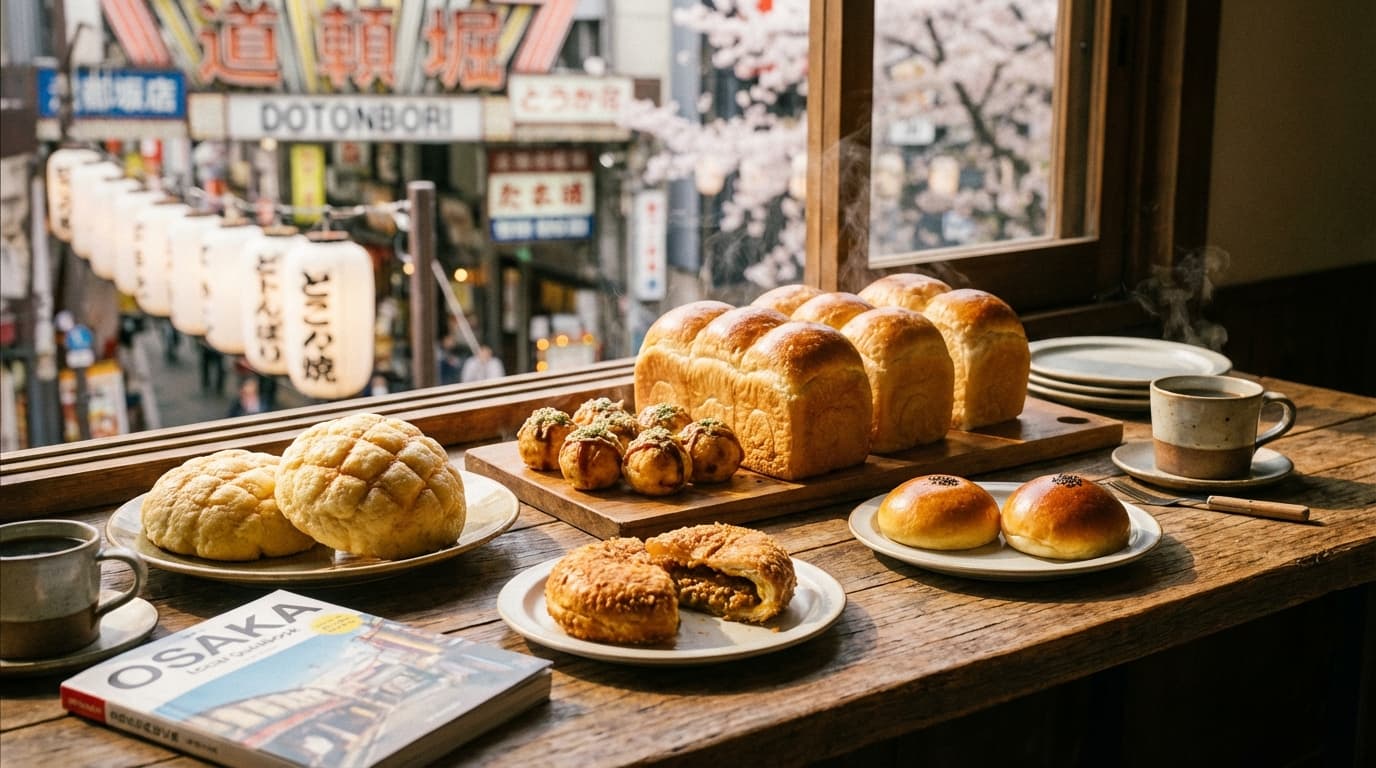
When you hear "Osaka," your brain probably jumps straight to sizzling cast-iron takoyaki pans or a towering, savory okonomiyaki smothered in rich sauce. It makes sense—the city’s unofficial motto is kuidaore, which loosely translates to eating until you literally drop. But beneath the loud, savory street food reputation lies a beautifully curated, deeply passionate baking culture. Japan has spent decades perfecting the art of European pastries while simultaneously inventing its own hyper-local, endlessly comforting baked goods. Osaka, with its unapologetic love for rich, heavy flavors, happens to be one of the best places in the country to experience this carb-heavy magic.
If you wander through the labyrinthine underground malls of the north or stroll past the neon-soaked canals of the south early in the morning, the heavy, sweet scent of toasted butter and caramelizing sugar gives the secret away. I've spent weeks navigating the side streets and train stations to hunt down the perfect crumb and the flakiest crusts in this vibrant city. Instead of overwhelming you with a massive directory, I’m sharing two absolute standouts that represent the duality of Osaka’s baking scene: high-end, meticulously laminated pastry mastery, and nostalgic, soul-warming Japanese street bread.
grenier Umeda branch
Finding a specific storefront in the Umeda district can sometimes feel like navigating a complicated maze, but tracking down grenier on the first floor of the Hankyu Grand Building is a quest you absolutely must take. Tucked away in Kita Ward, this pastry shop is a masterclass in French technique viewed through a lens of Japanese precision. With hundreds of glowing reviews from locals, the shop is famous for producing baked goods so beautiful they almost look too perfect to eat. Almost. The moment you walk by, the intense, heady aroma of high-fat butter pulls you in. Their specialty lies in incredibly flaky, layered pastries that shatter perfectly when you bite into them, revealing a soft, airy honeycomb structure inside. Whether you are grabbing a quick morning croissant before catching a train or picking up an intricately piped sweet tart to enjoy back at your hotel, the attention to detail here is astonishing. It’s the kind of place where you buy three things with the intention of saving them for later, only to eat them all on a nearby bench within ten minutes.
Melon Bread
On the complete opposite end of the spectrum sits a humble but wildly popular bakery right in the electric heart of Dōtonbori. Surrounded by towering mechanical crab signs and bustling tourists, you will find Melon Bread in the Shibata Building. If you are new to Japanese baking, you should know that traditional melon pan doesn't actually taste like melon. Instead, it gets its name from its appearance—a soft, fluffy milk bread roll enveloped in a crisp, crosshatched sugar cookie crust that resembles the rind of a cantaloupe. The version served here is legendary in Chuo Ward. Served piping hot straight from the oven, the contrast in textures is mind-blowing. The cookie shell crackles under your teeth, immediately giving way to a steaming, pillowy interior that melts in your mouth. It’s sweet, comforting, and incredibly addictive. Grabbing a warm melon pan here and walking over to watch the boats drift down the Tombori River is one of my absolute favorite evening rituals in the city.
A Few Tips for the Bakery Bound
Timing is Everything: Unlike Western bakeries that open at the crack of dawn, many Japanese bakeries don’t unlock their doors until 10:00 AM. If you are an early riser, definitely check the hours before heading out. For places like grenier, go early in the day to get the best selection of laminated pastries before they sell out. For Melon Bread in Dōtonbori, it makes for a fantastic mid-afternoon energy boost or a late-night dessert.
The Tray and Tongs System: If you haven't been to a bakery in Japan before, learn the local rhythm. You rarely order at a counter. Instead, you grab a wooden or plastic tray and a pair of tongs near the entrance, select the individual items you want from the open displays, and hand your loaded tray over to the cashier.
Pricing and Payment: You don't need to break the bank to eat world-class baked goods here. Expect to pay anywhere from 200 to 500 yen per item. While major spots in department stores will gladly take credit cards or IC transit cards (like Suica or ICOCA), it is always smart to keep a few hundred-yen coins in your pocket for smaller, independent stalls.
Osaka’s food culture is built on passion, excess, and an obsessive dedication to getting things exactly right. The next time you find yourself wandering between Umeda’s skyscrapers or Dōtonbori’s neon signs, skip the savory skewers for just one afternoon and follow the smell of toasted butter. Grab a tray, pick up those tongs, and load up. Trust me—you’ll want to try one of everything.